Safety
Ambitious engineering requires managed risk
DRACO builds vehicles that carry solid rocket motors, pressurized ejection systems, and stored energy in every recovery system. None of that is inherently unsafe — it is unsafe when it is undocumented, unreviewed, or improvised.
Safety exists so the rest of the team can be ambitious. By identifying risk early, writing procedures that hold up under pressure, and refusing to skip a review, the division makes hard engineering possible rather than merely permitted.
Where safety actually happens
Not a policy document — three concrete checkpoints, each one earlier and cheaper than the failure it is there to prevent.
Before anything is built
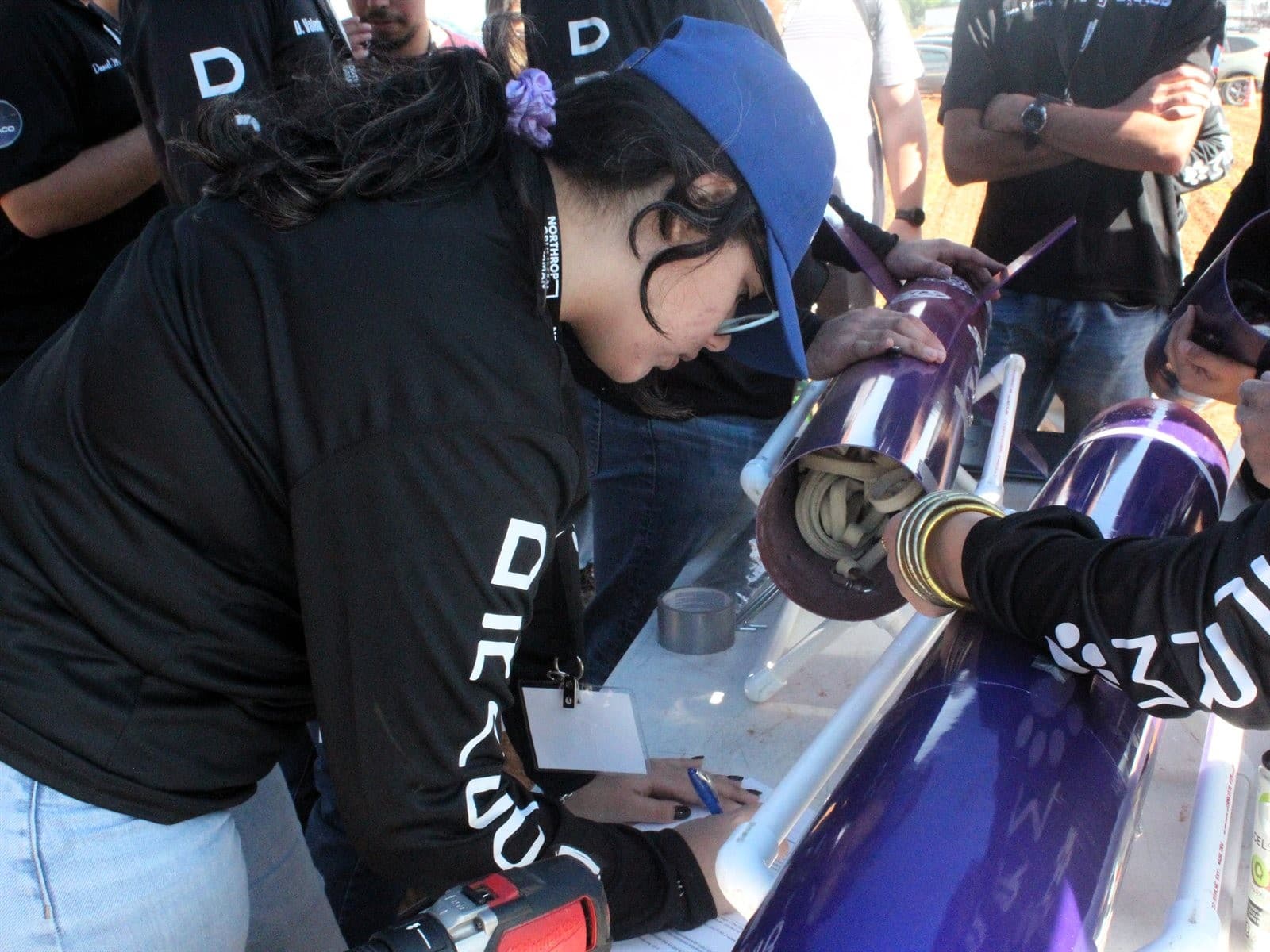
Hazard analysis and FMEA — a structured review of what could fail, how badly, and what prevents it — are done while a design can still be changed cheaply. Every operating and testing procedure the team follows is written down here first.
When the hardware is live
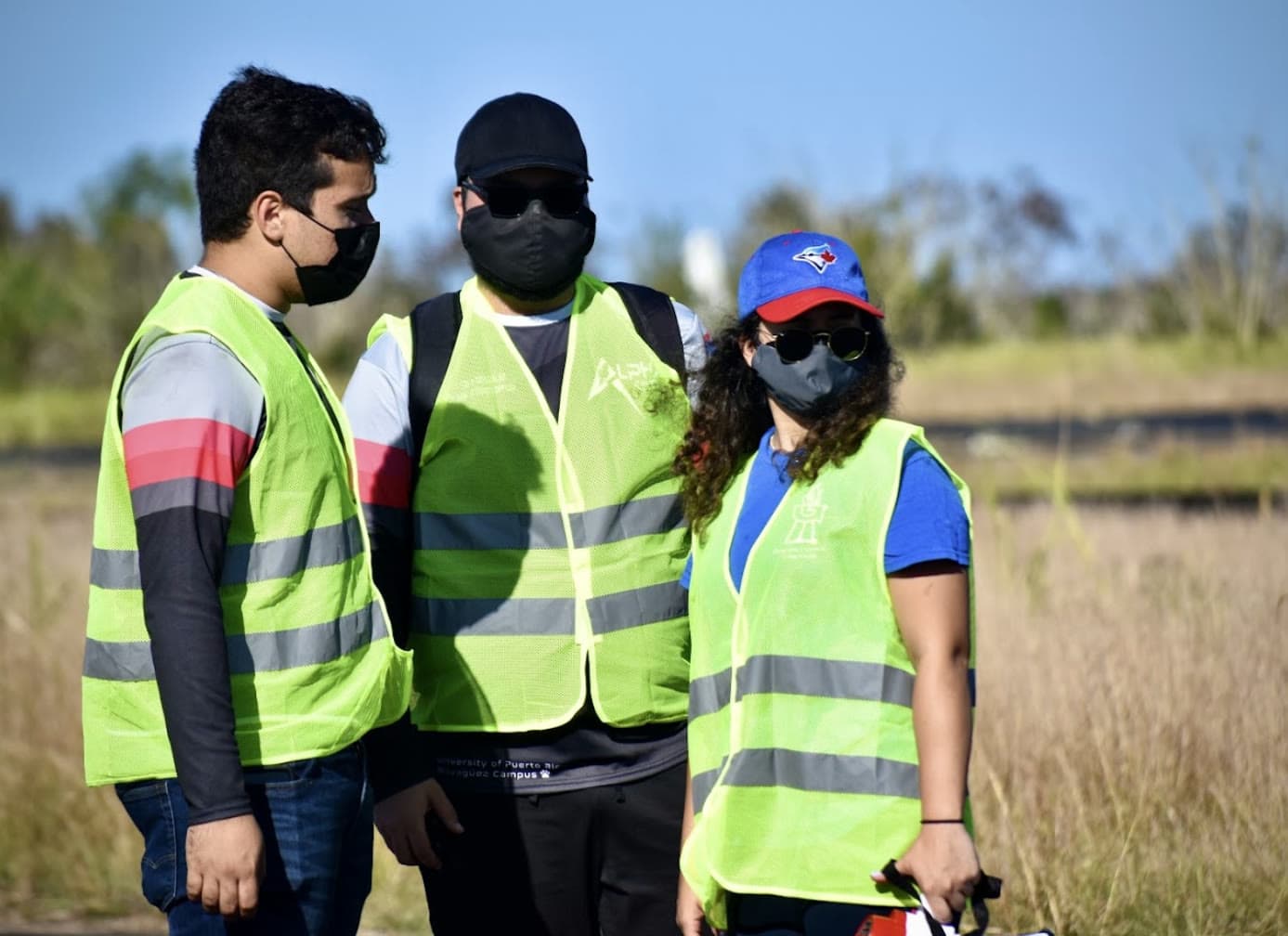
Field operations run under controlled conditions: high-visibility identification for the working crew, defined roles, and a launch-readiness review that has to pass before anything is armed. Nothing about a launch day is improvised.
Verified by someone outside the team
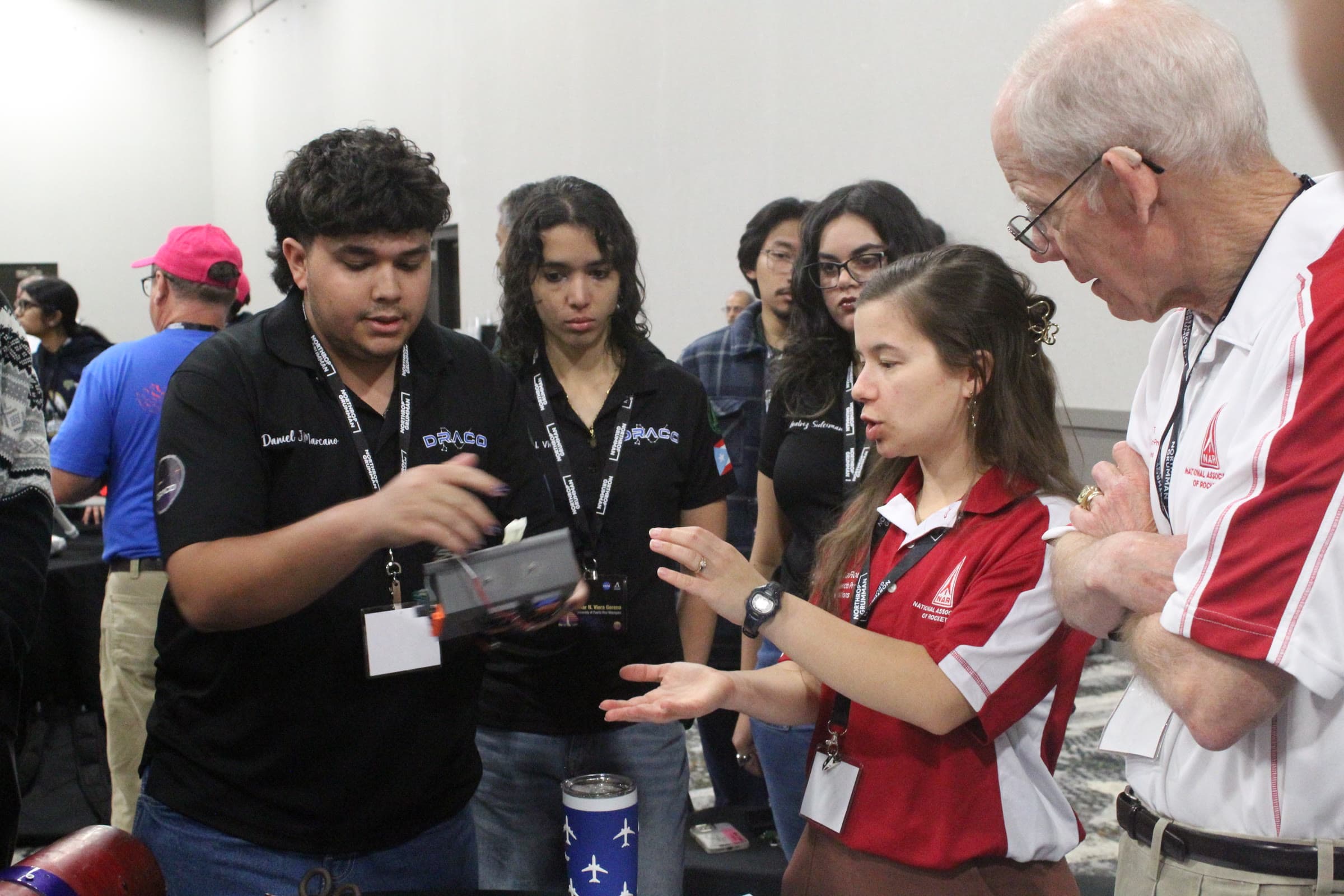
At competition the vehicle is presented to independent range officials, who examine the hardware and question the team about it directly. Internal confidence is not the standard — an outside reviewer signing off is.
What Safety owns
Risk management & mitigation
Identifying what can go wrong across design, testing, and operations — and deciding, in advance, what is done about it.
Hazard analysis & FMEA
A structured review of every failure mode: what fails, what it causes, and what prevents or contains it.
Operating & testing procedures
The written steps the team follows for assembly, energetics handling, testing, and launch operations.
Launch-readiness reviews
The gate a vehicle passes before it is allowed to fly. If the review does not pass, the vehicle does not launch.
Safety documentation & team culture
Keeping the record complete, and keeping raising a concern a normal thing for any member to do.
What members work with
- FMEA
- Hazard analysis
- Procedure development
- Risk assessment
- Safety documentation
The bottom line
Safety is what makes ambitious engineering possible. By managing risk early and rigorously, the division protects people and hardware on every test and every launch.

/ Join Safety
Nothing Flies Until It Is Ready
If you think in failure modes, write procedures people actually follow, and are willing to say stop in a room full of people who want to launch — this division needs you.